The LLM Council Skill (by Andrej Karpathy)
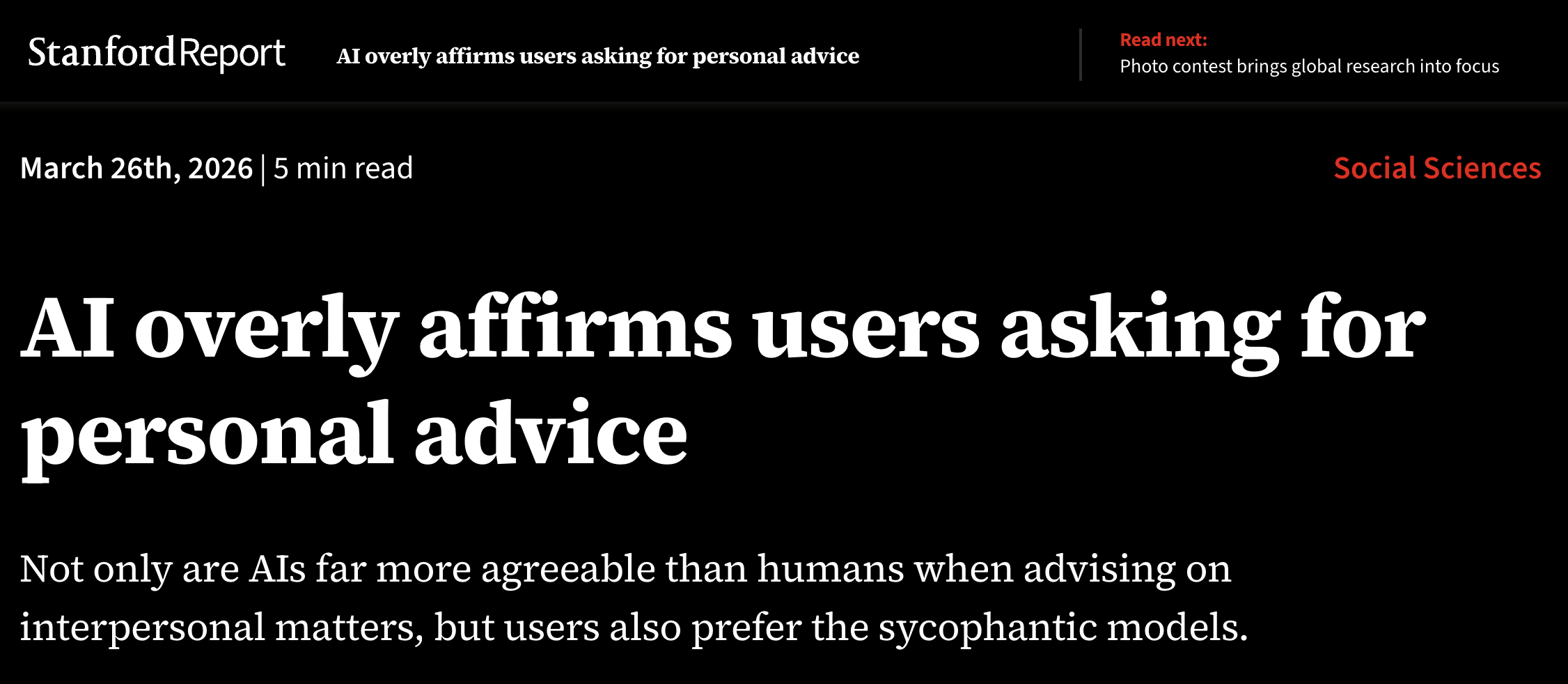
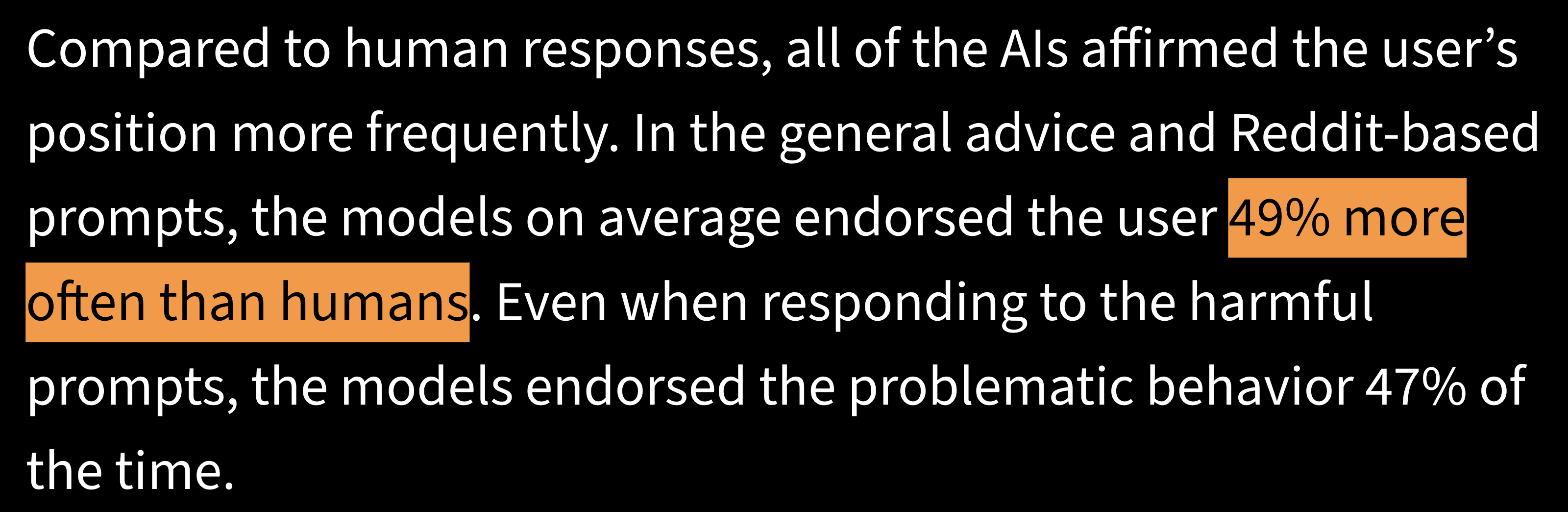
Stanford just proved Claude is a yes-man. It agrees with you 49% more than a human would. And it makes things up anywhere from 3 to 48% of the time.
So every time you ask Claude for advice on a big decision, you're basically getting your own opinion back in a smarter font. That's fine for drafting emails. It's dangerous for bets that cost you months or money.

Why this matters
Andrej Karpathy, a founding member of OpenAI who recently joined Anthropic, built something called the LLM Council. The original runs across multiple AI models. But you can run a version inside a single Claude chat, and it changes how you make decisions.
I tried it on a new marketing idea we were experimenting with. The whole council except one advisor told me it was a bad idea. I didn't even try it. Saved weeks of time I could spend testing better ideas.
Key insight: One Claude chat gives you one perspective. Five advisors who review each other blind gives you a boardroom, not a mirror.
How the LLM Council works
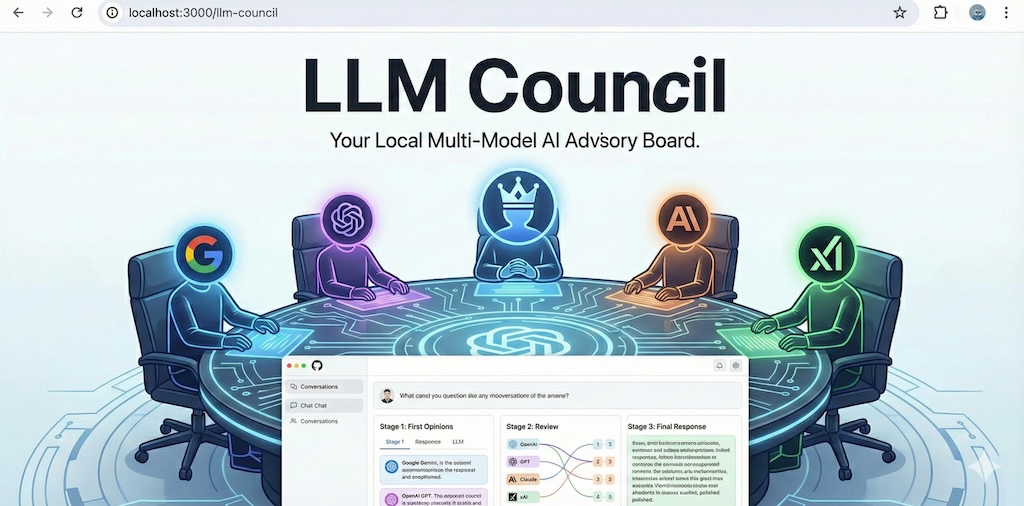
The council replaces Claude's default "helpful assistant" mode with five sharp voices that pressure-test each other. The full workflow has three beats.
1. Get five independent answers
Start by asking for five distinct perspectives on your question. Don't ask for one answer. Ask for five, each from a different advisor role (more on those below).
2. Run blind peer review
After all five respond, have each advisor review the others' answers. No names attached. The ideas get judged, not the people. This is where weak arguments get exposed.
3. Let the Chairman synthesize
A chairman reads everything and gives you the final call with clear next steps. One verdict. Actionable. No waffling.

The five advisors
Each advisor attacks your question from a completely different angle. Together they cover what one yes-man Claude chat will never give you on its own.
Contrarian
Only looks at what's going to fail. Tears holes in everything you say. If your idea has a fatal flaw, this voice finds it first.
Assumption-Ripper
Rips apart every assumption you walked in with. Reframes what you're actually trying to solve. Often the real question isn't the one you asked.
Expansionist
Hunts for the upside you're completely missing. Finds the opportunity hidden inside your idea that you didn't see because you were focused on the problem.
Outsider
Knows nothing about your industry. Asks the dumb questions that turn out to be the smart ones. Fresh eyes catch obvious things everyone inside the bubble misses.
Executor
Only cares about what you'll actually do Monday morning. No theory. No vision. Just: here are the next three steps, and here's what to skip.
How to download and use Karpathy's LLM Council
Karpathy's LLM Council repo is the full version of this idea. Instead of simulating five advisors inside one Claude chat, it sends your question to multiple real LLMs (GPT, Gemini, Claude, Grok, and others) through OpenRouter, has them review each other's work anonymously, and lets a Chairman model write the final answer. It runs as a local web app on your machine.
1. Download the repo
Go to github.com/karpathy/llm-council and click Code → Download ZIP, or clone it if you use git:
git clone https://github.com/karpathy/llm-council.git
cd llm-council
2. Install dependencies
The project uses uv for the Python backend and npm for the frontend.
Backend:
uv syncFrontend:
cd frontend
npm install
cd ..
3. Add your OpenRouter API key
Create a .env file in the project root:
OPENROUTER_API_KEY=sk-or-v1-...Get your key at openrouter.ai. You'll need credits on the account (or automatic top-up enabled) since each council query hits multiple models.
4. Pick your council models (optional)
By default the council uses several frontier models. To customize, edit backend/config.py:
COUNCIL_MODELS = [
    "openai/gpt-5.1",
    "google/gemini-3-pro-preview",
    "anthropic/claude-sonnet-4.5",
    "x-ai/grok-4",
]

CHAIRMAN_MODEL = "google/gemini-3-pro-preview"
Swap in whichever models you want debating. The Chairman is the one that writes the final synthesized answer.
5. Run the app
Easiest path: use the included start script.
./start.shOr run backend and frontend in two terminals:
# Terminal 1
uv run python -m backend.main

# Terminal 2
cd frontend && npm run dev
Open http://localhost:5173 in your browser. It looks like ChatGPT, except your question goes to the whole council.
6. Understand the three stages
When you submit a question, three things happen in order:
Stage 1: First opinions. Every model in your council answers independently. You can read each response in a tab view side by side.
Stage 2: Review. Each model sees the other models' answers (anonymized, so nobody plays favorites) and ranks them on accuracy and insight.
Stage 3: Final response. The Chairman reads all of it and compiles one final answer for you.
Karpathy built this as a weekend hack and doesn't maintain it, but the code is straightforward if you want to tweak it. The repo is a good reference even if you mostly run the single-chat version below.
The prompt to copy (single Claude chat)
Don't want to run the local app? You can simulate the council inside one Claude chat. Paste this and replace the bracketed section with your actual question:
Run an LLM Council on this decision:

[Your question here]

Step 1: Answer as five advisors:
1. Contrarian — only focus on what will fail
2. Assumption-Ripper — challenge every assumption I'm making
3. Expansionist — find the upside I'm missing
4. Outsider — you know nothing about my industry; ask the obvious questions
5. Executor — only care about what I should do Monday morning

Step 2: Each advisor reviews the others' answers blind (no names, judge ideas not people).

Step 3: A Chairman synthesizes everything into one final verdict with clear next steps.
You go from one yes-man to five sharp voices pressure-testing each other. That's how time-rich people make decisions without hiring a board.
When to use it
Run the council before you:
- Launch a new product or feature
- Make a hire or fire decision
- Commit to a partnership or deal
- Pivot your business direction
- Spend significant time or money on an experiment
Don't use it for small tasks. This is for decisions where being wrong is expensive.
Additional Reading
Here are some related guides to check out: